Operation Athena · 2001–2021

Mapping History,
One Veteran
at a Time

We honour the brave Canadians who served in Afghanistan. Join us in sharing their stories and preserving their experiences for generations to come.

  • 475+ Veterans & Families
  • 1,400+ Photos on the Map
  • 3,500+ Coalition Lives Lost
  • 20 Years 2001 – 2021
Geotagged Photos

Geotagged Photographs

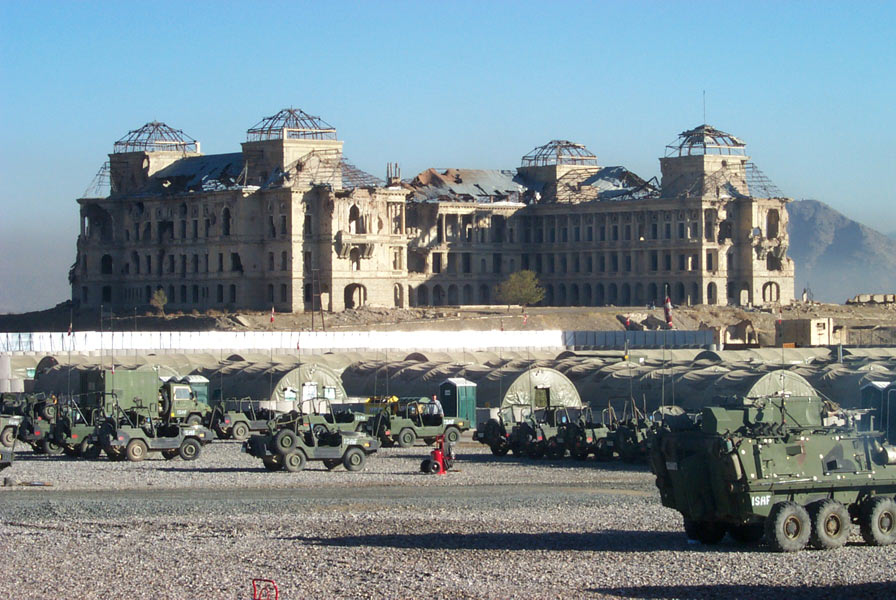
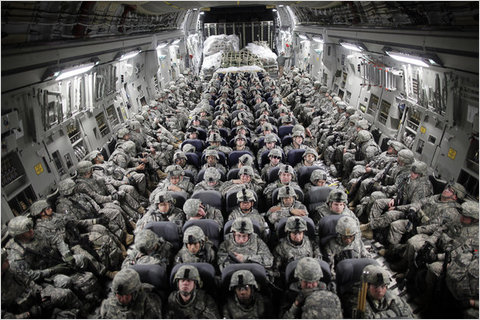
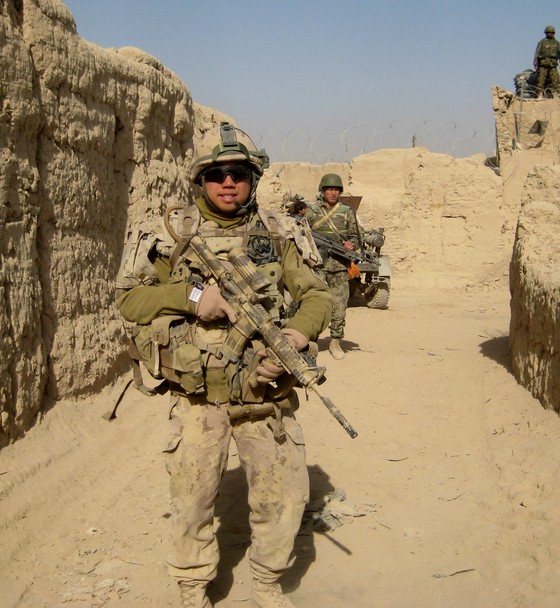
Geotagged photographs from those who served in Afghanistan — placed on the map where they were taken. Here are the latest images added to the collection.

Explore More Photos

One of these yours? Add it to the map with your story. Add your story

History

Their Duty.
Our Honour.

From 2001 to 2021, Canada's commitment to peace and security in Afghanistan spanned two decades — beginning with Operation Enduring Freedom and culminating in Operation Athena, Canada's longest combat mission. Our armed forces worked alongside allies to support the Afghan people. Today, we have the opportunity to preserve their stories — join us in ensuring their legacy endures.

View the Map

The War Begins

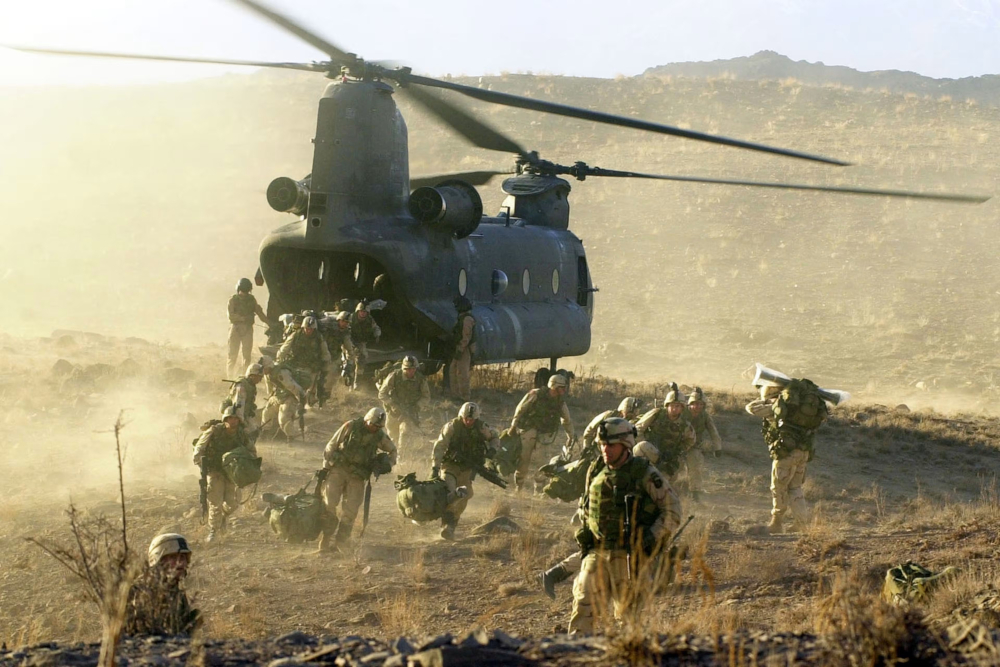
Following the September 11 attacks, the United States and coalition partners launched Operation Enduring Freedom on October 7, 2001. Within weeks, Taliban rule collapsed across major Afghan cities. Canada committed forces almost immediately — beginning what would become a 20-year multinational effort to stabilize Afghanistan.

See on Map
Canada Enters the Fight

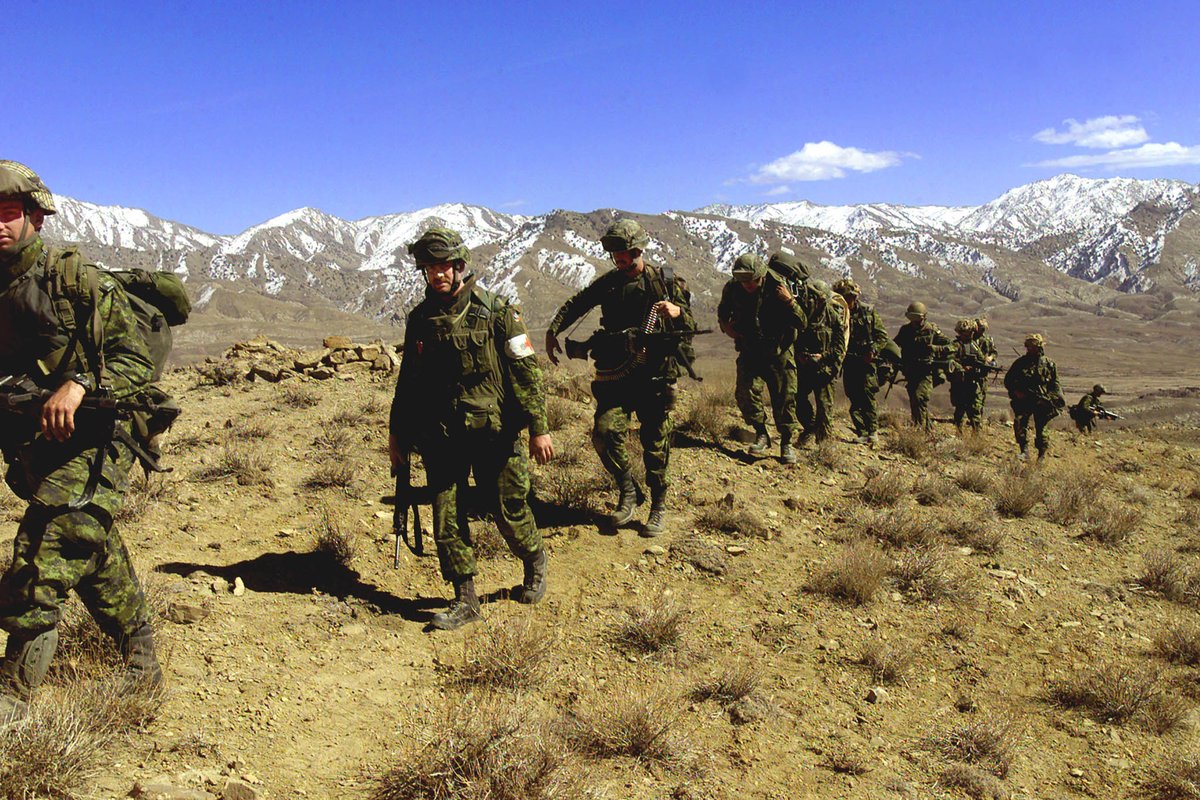
Canada deployed its first combat troops to Kandahar in early 2002, with the 3rd Battalion, Princess Patricia's Canadian Light Infantry (PPCLI) joining U.S. forces at Kandahar Airfield. Canadian soldiers were among the first coalition partners on the ground in a combat role, establishing a presence that would define Canada's longest combat mission.

See on Map

ISAF and Operation Athena

Canada assumed command of the International Security Assistance Force (ISAF) in Kabul, launching Operation Athena. Brigadier-General Peter Devlin led Canadian forces — including the RCR, PPCLI, and Royal Canadian Artillery — in securing the capital and supporting the newly established Afghan government.

See on Map

The Kandahar Years

Canada took command of NATO's Regional Command South, centred on Kandahar Province — the most volatile region in Afghanistan. This marked the most intense period of Canada's involvement, with Canadian soldiers conducting complex counterinsurgency operations alongside U.S., British, Dutch, and Australian forces.

See on Map

The Surge and the Turning Point

The NATO surge of 2010 brought tens of thousands of additional coalition troops into Afghanistan, including a major U.S. buildup in Kandahar. Canadian forces played a key role in operations across the province as the coalition sought to reverse Taliban gains and set conditions for an Afghan-led security transition.

See on Map

Canada's Combat Mission Ends

Canada formally ended its combat mission in Kandahar in 2011, transitioning to a training role in Kabul. After nearly a decade of combat operations, 158 Canadian soldiers, one diplomat, and two aid workers had been killed. Thousands more returned home changed by what they had seen and done.

See on Map

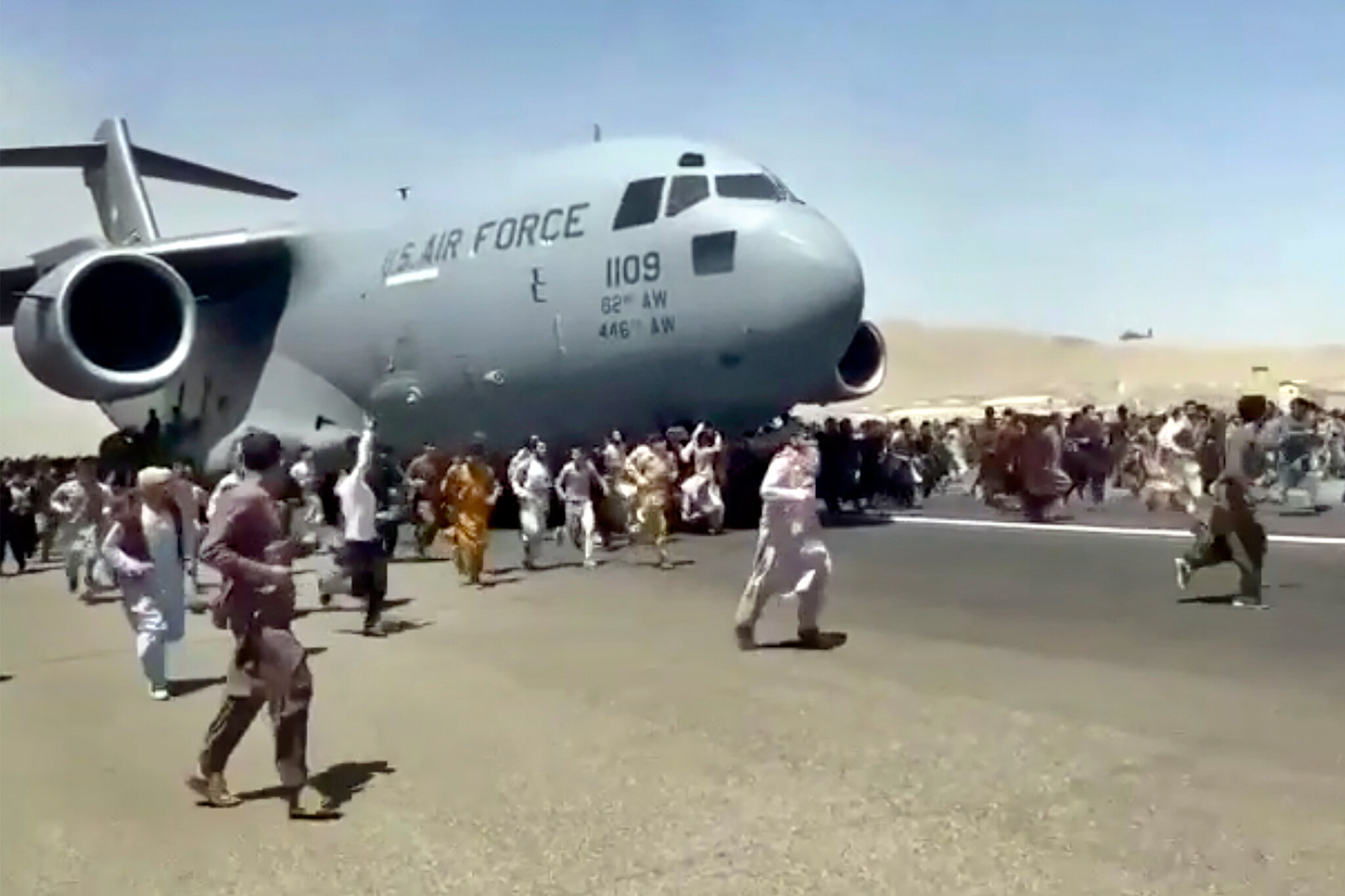
The Fall of Kabul

On August 15, 2021, the Taliban entered Kabul and the Afghan government collapsed — twenty years after the war began. Coalition forces completed a chaotic withdrawal. For veterans of every nation who served there, the fall raised profound questions about sacrifice, purpose, and legacy that this project exists to honour.

See on Map
Veteran
Voices

"To me Op Athena represents a unique opportunity to enshrine what my generation did in both time and space in order to share our experiences. It is both testimony and our legacy as primary sources in the purest form and it's an honour to have this platform exist lest we forget."

L. Nguyen Veteran, Royal 22e Régiment

"Seeing my husband's service pinned to a place — somewhere real, somewhere I can point to — gave our kids something to hold onto. That matters more than I can say."

T. Kehler Military Spouse

Your story belongs here too.

Whether you served, supported, or lost someone — this map exists for you. It takes less than five minutes to add your story and place it on the ground where it happened.

Add your story to the map →

Already contributed? Explore the map and find your pin.

Explore

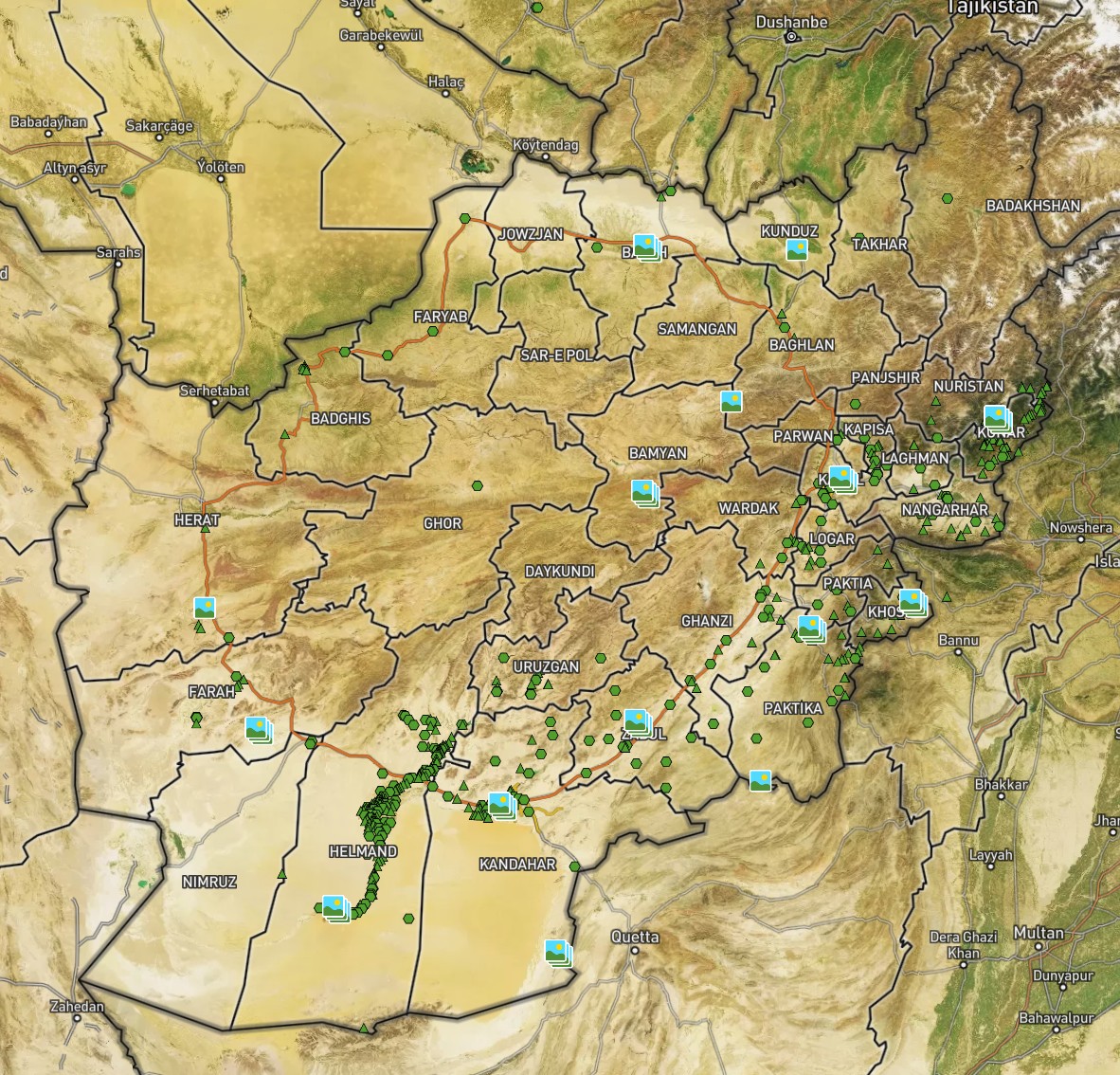
Our interactive map puts you on the ground in Afghanistan.

Browse IED incidents from 2005–2009, explore tactical infrastructure — FOBs, COPs, and strong points — and view geotagged photographs from the people who were there.

  • IED Incidents Mapped events from 2005 to 2009, by location and date
  • Tactical Infrastructure Forward Operating Bases, Combat Outposts, and strong points across the country
  • Geotagged Photographs Photos placed on the exact ground where they were taken
Open Interactive Map
FAQ

Common Questions

Find answers about Project Athena, how to contribute your story, and how to use the interactive map.

Still have questions?

We're here to help. Reach out to our team directly.

Contact Us

Project Athena is a digital memorial and mapping platform documenting the 20-year war in Afghanistan through the stories of those who served. We preserve veteran accounts, geolocated photographs, and historical records in a living, interactive public archive — built by the people who were there.

Absolutely. The war in Afghanistan was a coalition effort involving more than 50 nations. Project Athena is open to veterans and family members from all coalition partners — American, British, Dutch, Australian, and beyond. Every story belongs on this map.

Create a free account and add your story directly — no forms, no waiting. Upload your photos, drop a pin on the location, and write your account in your own words. All photos are reviewed by our moderation team before going live on the map.

You have full control. You may choose to share your story publicly on the map, contribute anonymously, or keep it in our archive for research purposes only. Your comfort and consent come first — always.

Head to the interactive map and browse freely. Click any marker to read firsthand accounts, view photographs, and learn about the units and operations tied to that location. You can filter by nation, year, province, or unit to explore the war from any angle.

Project Athena is operated by the Canadian Research and Mapping Association (CRMA), a non-profit dedicated to preserving military heritage through digital research and cartography. The platform is built in partnership with veterans, historians, and researchers.

Ready to be part of this?

Over 475 veterans and family members have already added their stories. Your account is free, your privacy is in your hands, and your story can be as public or as private as you choose.

Funding Provided By


Contact

Get In Touch

Have a story to share, a photograph to contribute, or a research inquiry? We'd love to hear from you. Reach out directly and our team will get back to you within a few days.

info@projectathena.ca